An evening, in six movements.
KAI is built around one idea: that a meal is better when nothing competes with it. Here is how that shapes the room, the pace, and the plate.
The philosophy
Attention is the one ingredient we cannot buy at the market. So we protect it: eight seats, one seating, no background music, and no menu to study.
The pace is set by the chef, not the kitchen ticket. A piece arrives when it is ready, and it is meant to be eaten within moments. If you remember one thing from the evening, we would like it to be the taste of a single piece of fish at the right temperature.
Omakase
Omakase means “I leave it to you.” You choose the length of the evening, and the chef chooses everything else.
The eighteen-course evening moves from sashimi through a warm dish and twelve pieces of nigiri, to a hand roll, a bowl of soup, and something sweet. The twelve-course evening keeps the same shape at a shorter length. Both are served at the counter.
See the omakase menusThe Experience
Four movements across roughly two hours, at one counter, with one chef.
01/ 04
01
Arrival
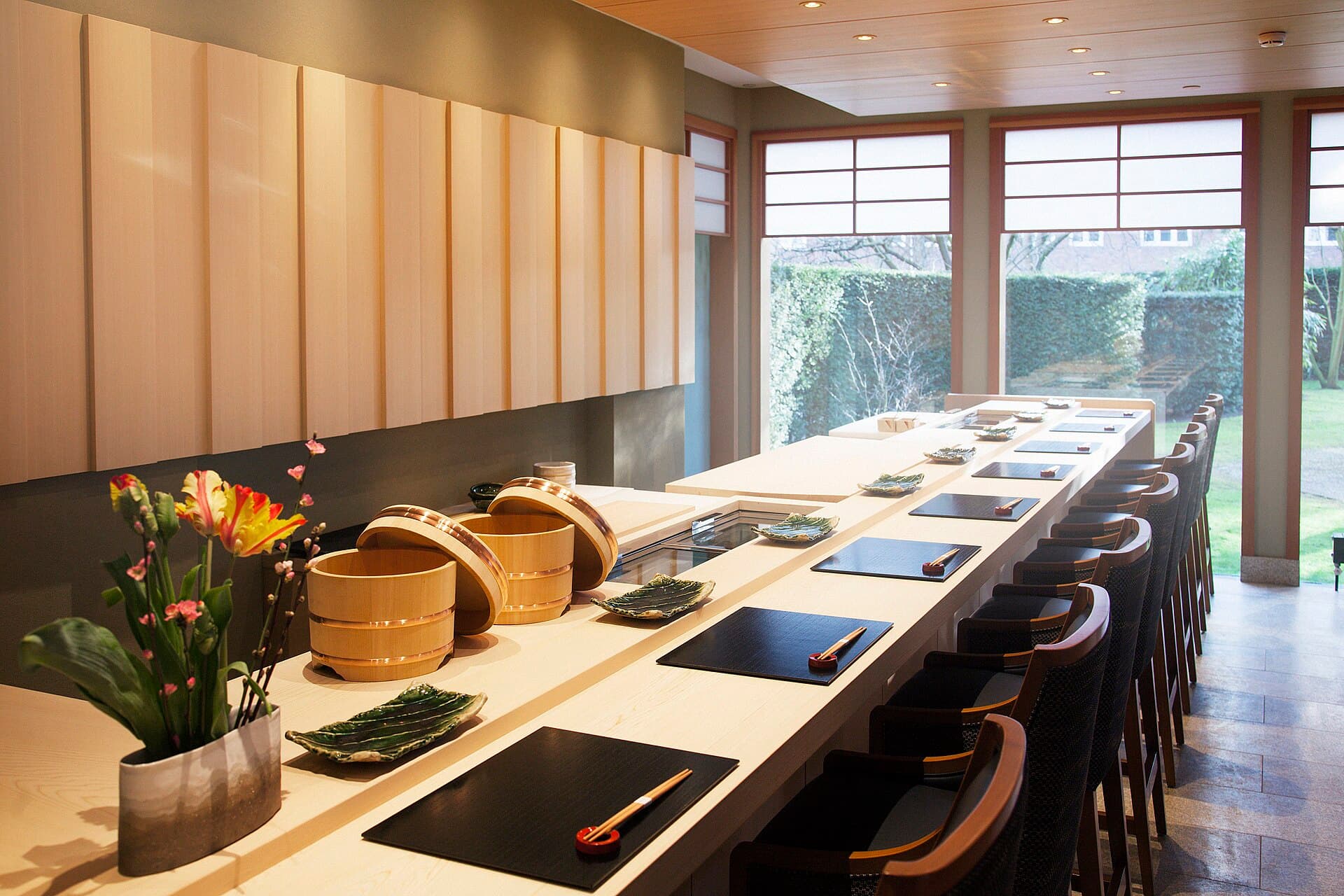
Doors open at 5:30. You are greeted by name, handed a warm towel, and shown to your seat at the counter.
02
Chef's Selection
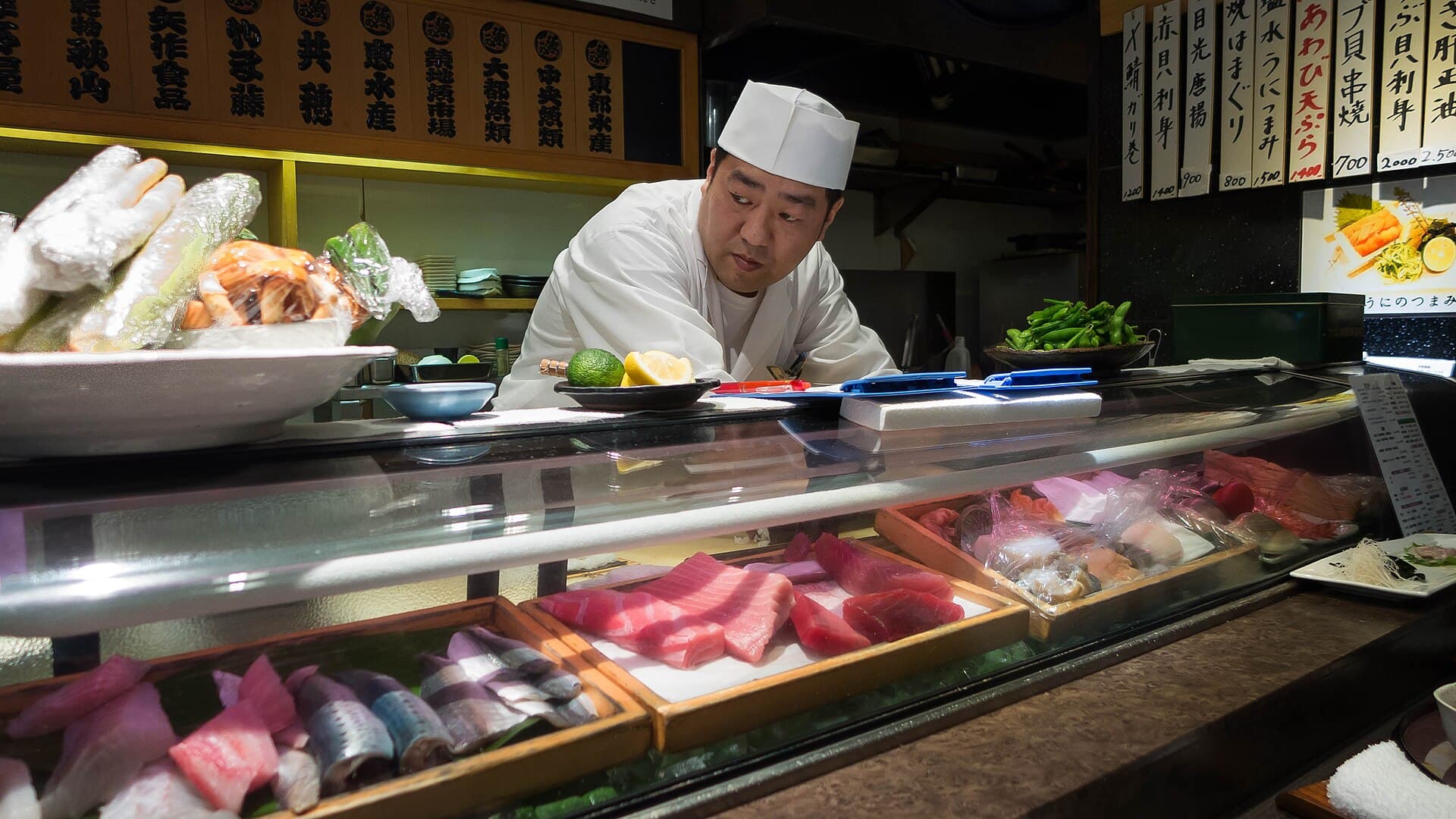
Ren describes the evening's fish in a few sentences. There is no menu to read. You only need to mention allergies.
03
Seasonal Course
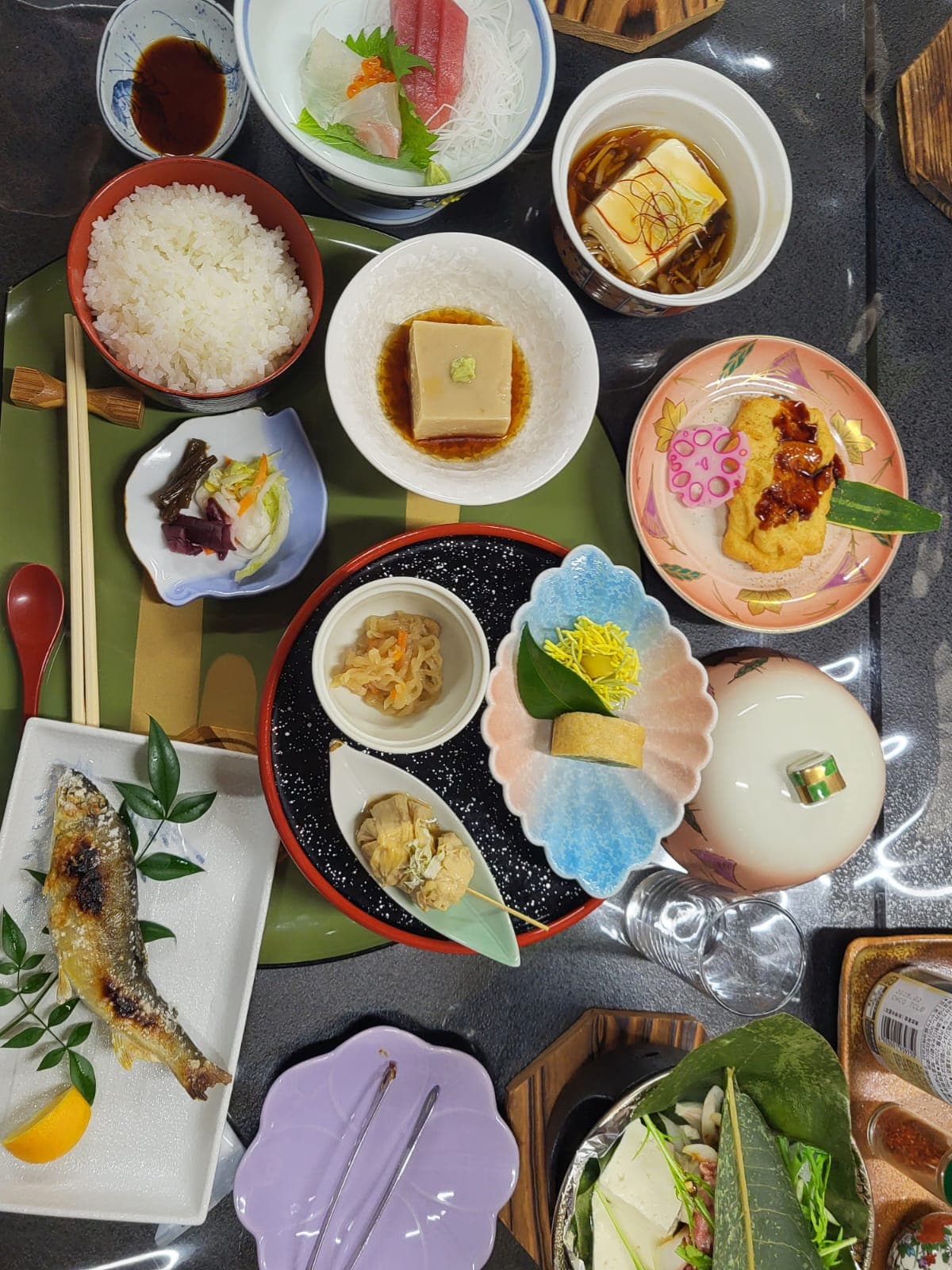
Sashimi, a warm dish, then nigiri one piece at a time, placed in front of you the moment it is ready.
04
Dessert & Sake
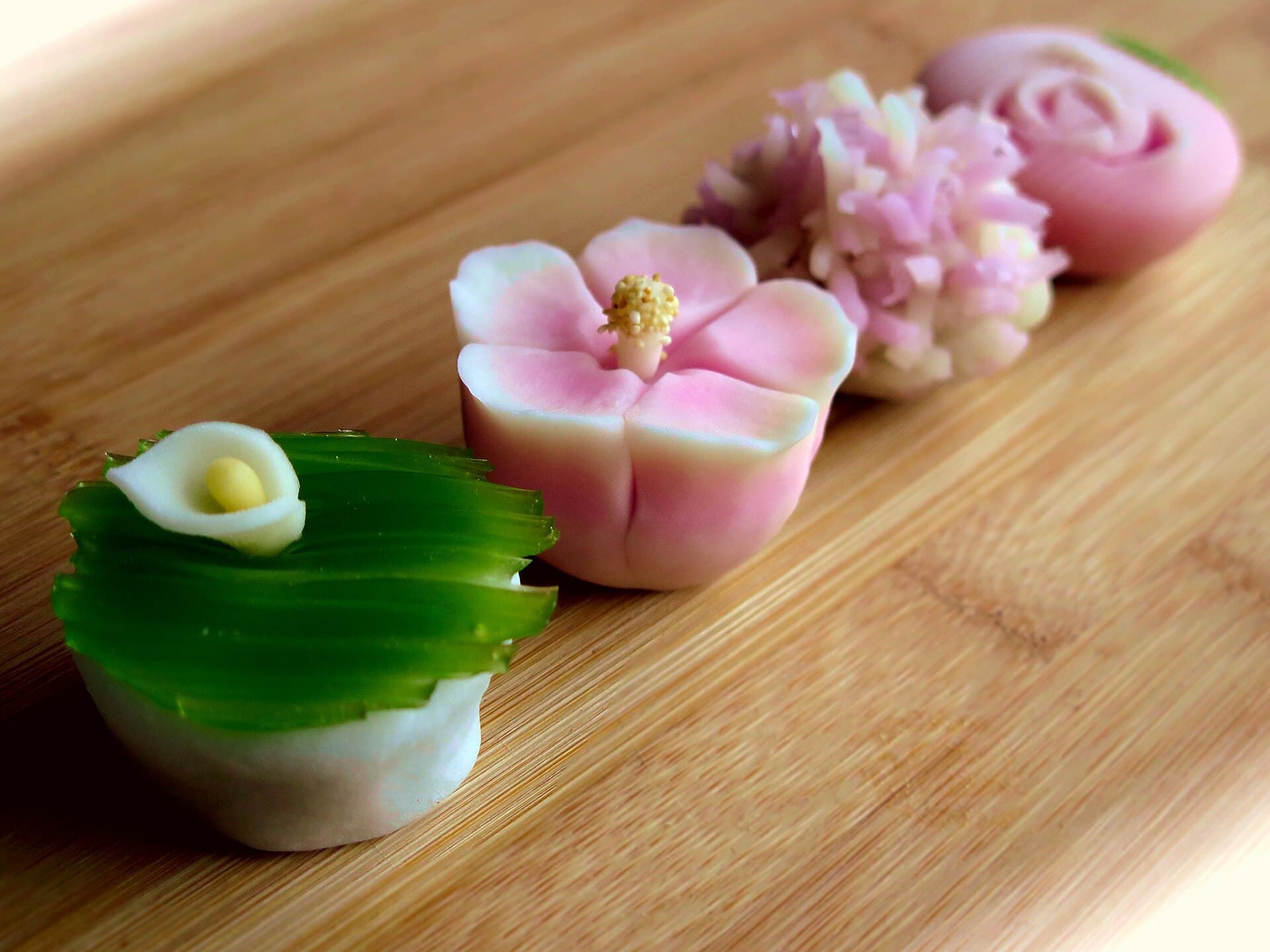
The evening softens: tamago, something cold and citrus, and a last pour of sake or roasted tea.
The chef's counter
Eight seats at a single length of planed hinoki, close enough to smell the cedar and the rice.
Sitting at the counter means watching each piece made. You will see the cut, the press, the brush of nikiri, and the moment it is set down for you. Questions are welcome. So is silence.
Seasonal ingredients
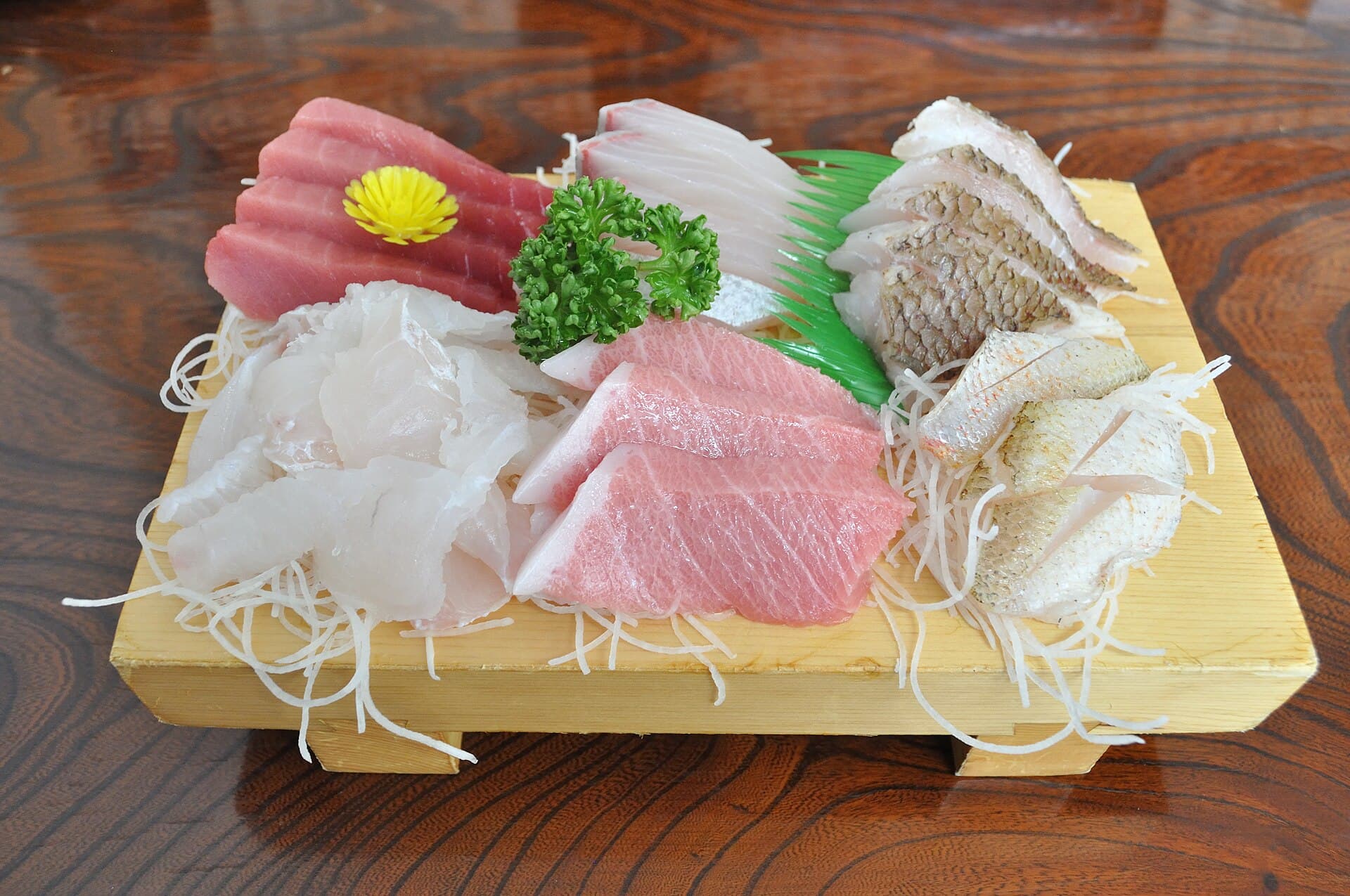
The menu is written after the market, not before it.
These are the fish we look for, season by season. What reaches the counter depends on the week.
- Spring
- Sakura masu, firefly squid, hamaguri clam
- Summer
- Ayu, hamo, horse mackerel
- Autumn
- Sanma, kohada, matsutake
- Winter
- Kan-buri, snow crab, madai
Hospitality
In Japanese, おもてなし describes care given without being asked for.
It is the warm towel, the sake cup turned so the good side faces you, the plate that changes when you finish the last one. Nobody at KAI will explain this to you. We would rather you simply feel it.
Sake pairing
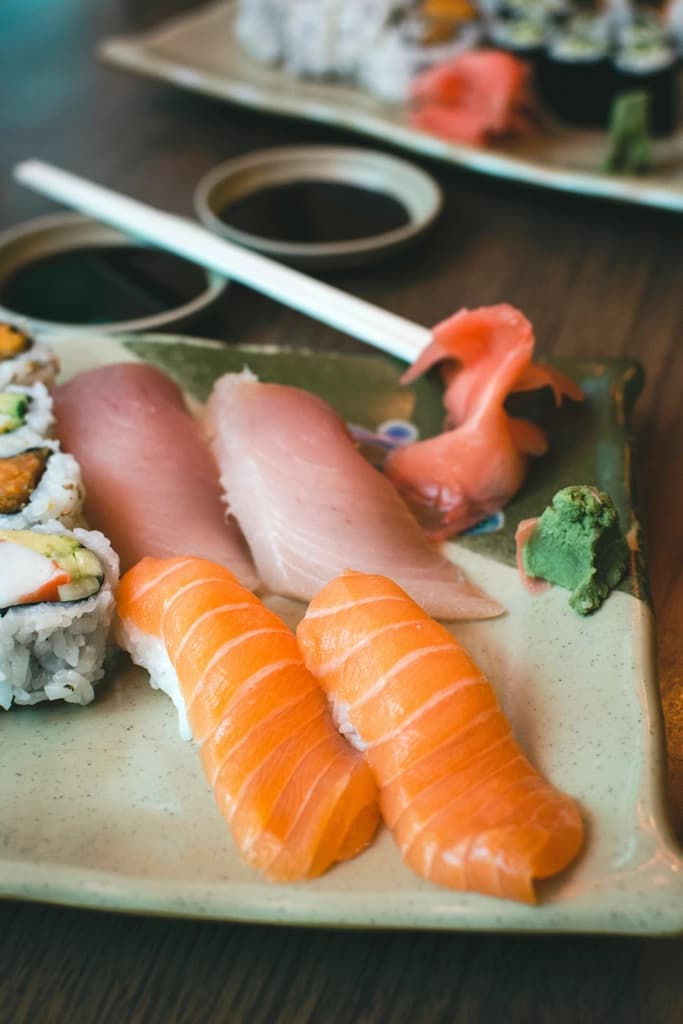
Five pours, chosen to follow the fish rather than compete with it.
Our list is short on purpose: a clean daiginjo for the first courses, a fresh namazake, a savory kimoto that is good warm, and a cloudy nigori for the end. Tea pairings are offered on the same pacing.
Your seat at the counter awaits.
Eight seats, one seating, Tuesday to Sunday. Send a request and we will confirm by email within a day.