Japanese Omakase · Eight seats
An Evening of Japanese Craft
KAI seats eight guests at a single hinoki counter, once each evening. The chef builds the menu from the morning’s market and serves it course by course, an arm’s length away.
One seating · Tuesday to Sunday · 5:30 PM
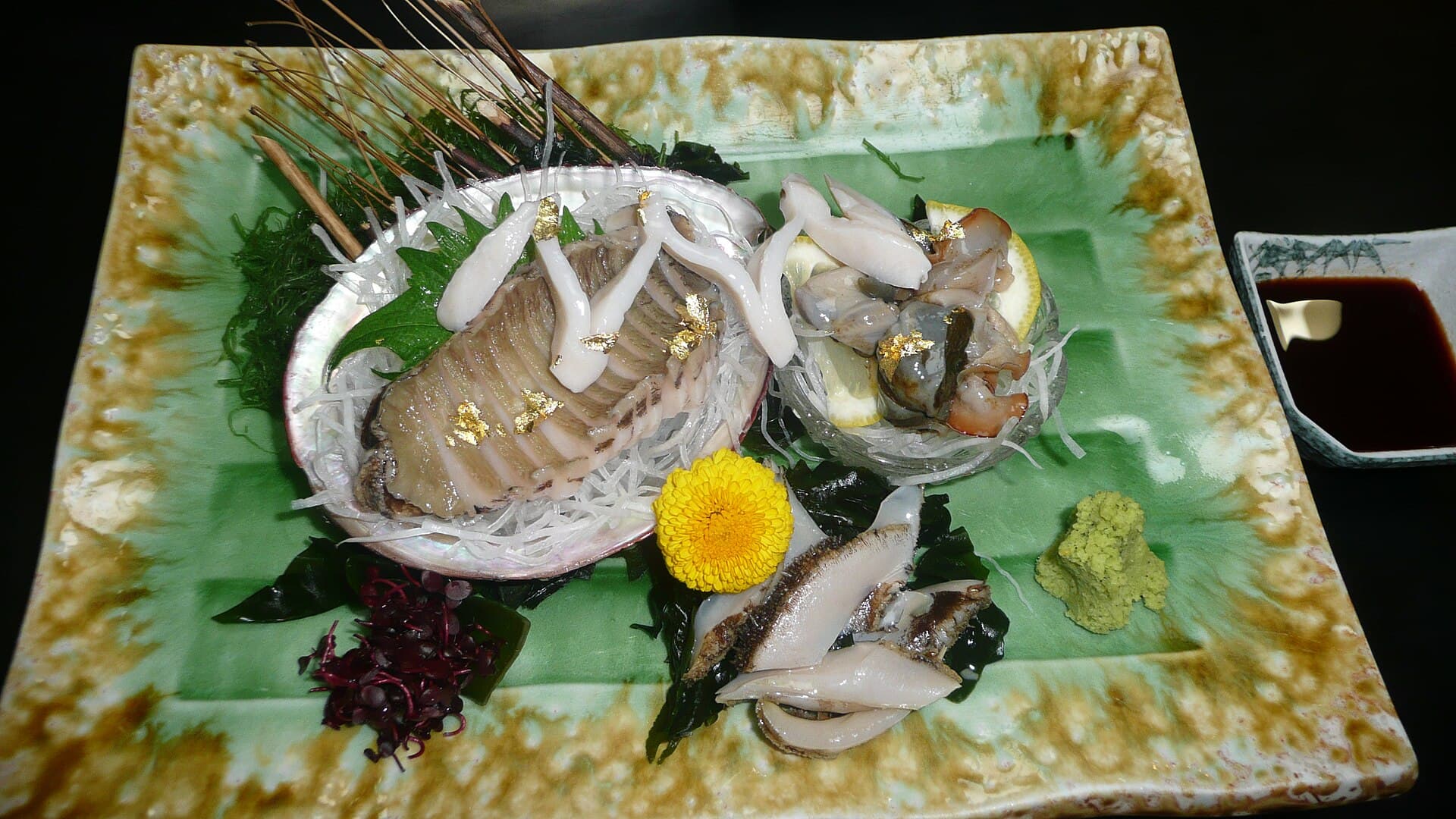
Omakase means, “I leave it to you.”
お任せ. It is an act of trust between guest and chef, and the reason the evening feels unhurried.
Seasonal ingredients
Our fish arrives from the market each morning, and the menu is written after it does. What is best this week, and only that.
The chef's selection
There is no menu to read and nothing to decide. Tell us what you cannot eat, and the rest is left to the chef.
Fresh preparation
Each piece is cut, pressed, and set in front of you within seconds. Rice at body temperature, fish at its own.
Japanese craftsmanship
Knife work, aging, and rice are years of repetition. We keep the technique traditional and the plate uncluttered.
From the chef's selection
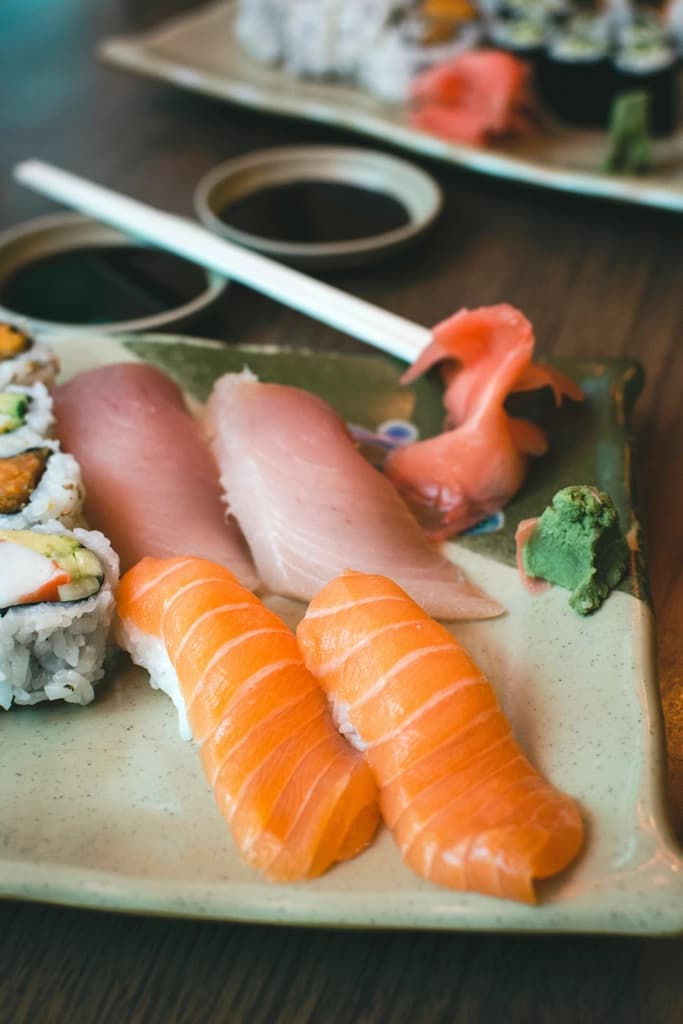
Sushi
Bluefin Tuna
Akami · aged shoyu · wasabi
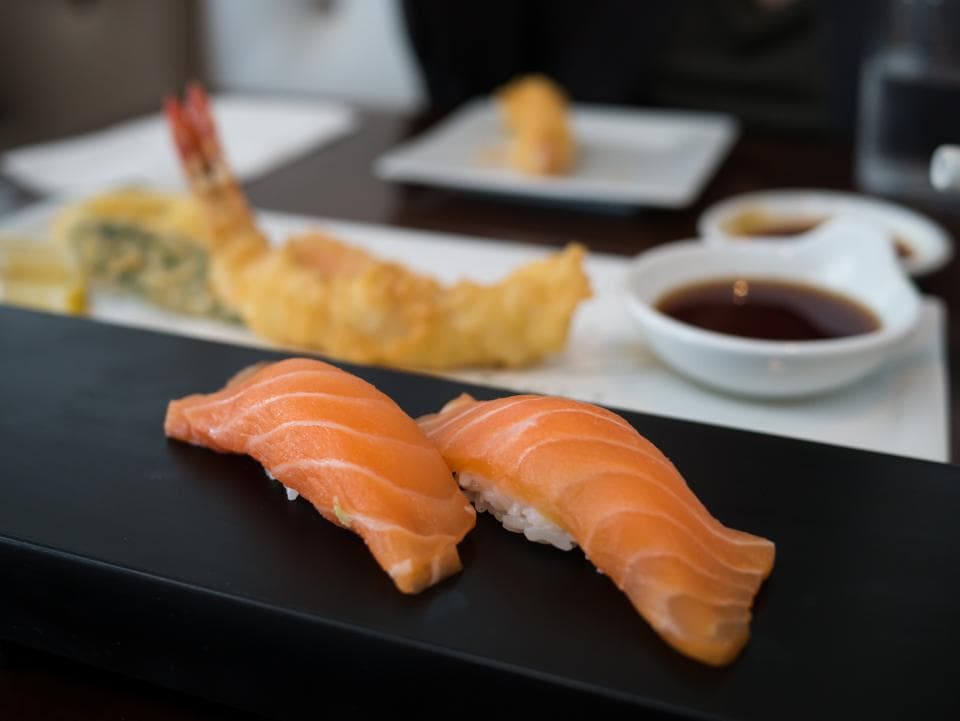
Sushi
Sake-Cured King Salmon
Sake cure · shiso · citrus salt
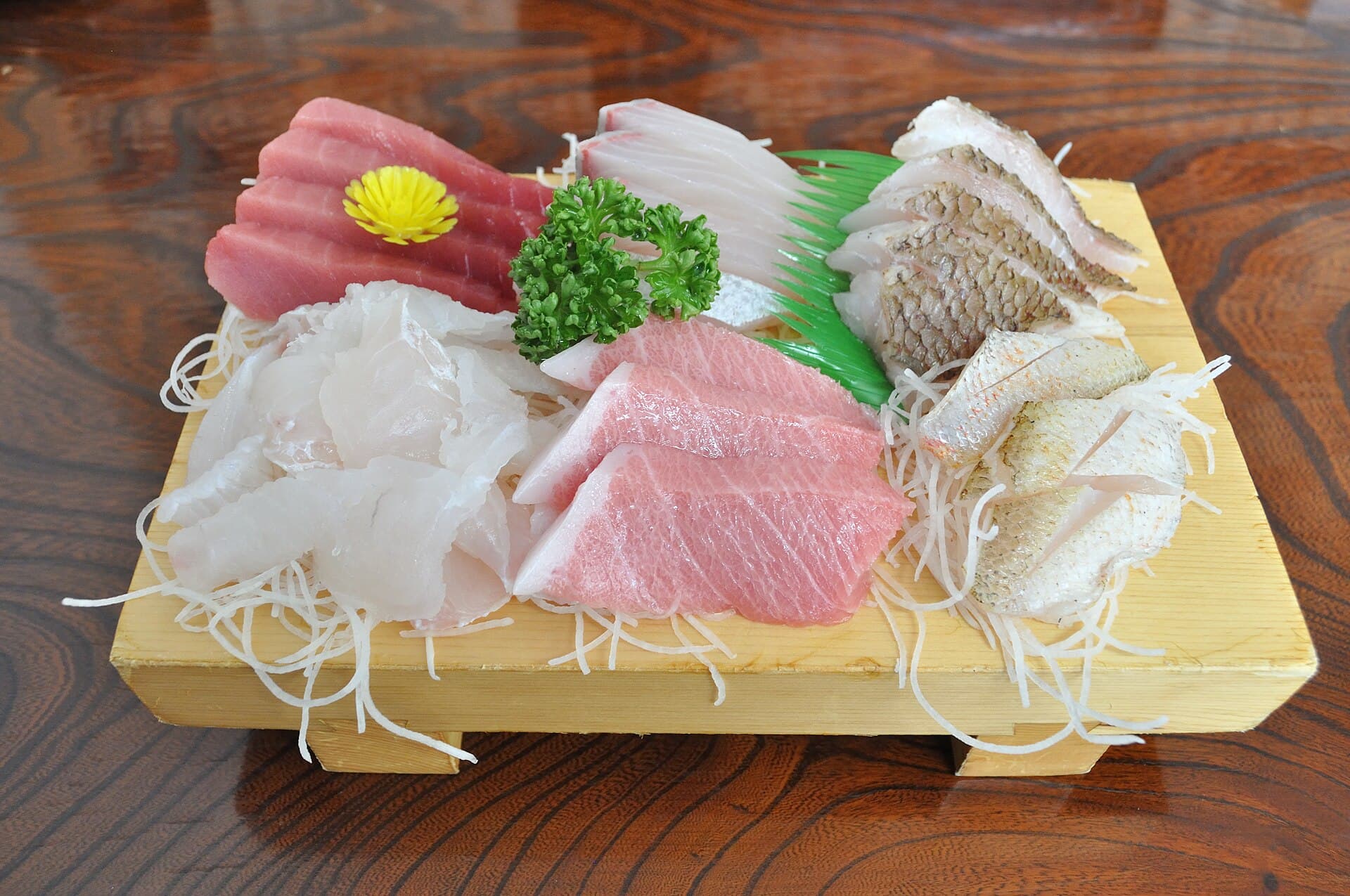
Sashimi
Aged Sashimi Board
Otoro · madai · hirame · shaved daikon · served on hinoki
Today at the counter
The board changes with the market. Ask for it when you sit down.
Cut to order, aged where the fish asks for it, served on hinoki.
- Sakura masu桜鱒
- Hotaru ika蛍烏賊
- Hamaguri蛤
- Ayu鮎
- Sanma秋刀魚
- Kohada小肌
- Kan-buri寒鰤
- Madai真鯛
- Uni雲丹
- Awabi鮑
The Experience
Four movements across roughly two hours, at one counter, with one chef.
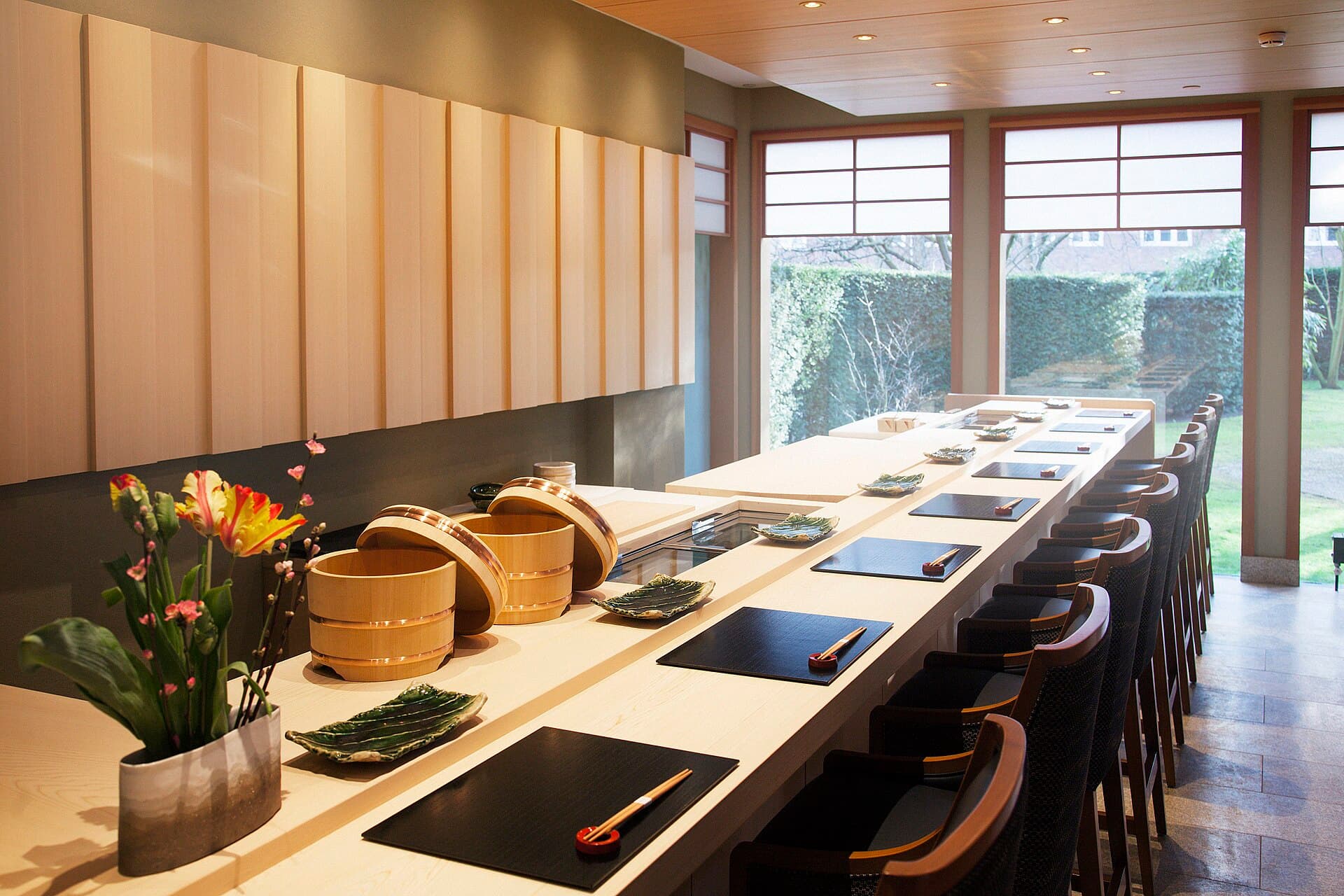
01/ 04
01
Arrival
Doors open at 5:30. You are greeted by name, handed a warm towel, and shown to your seat at the counter.
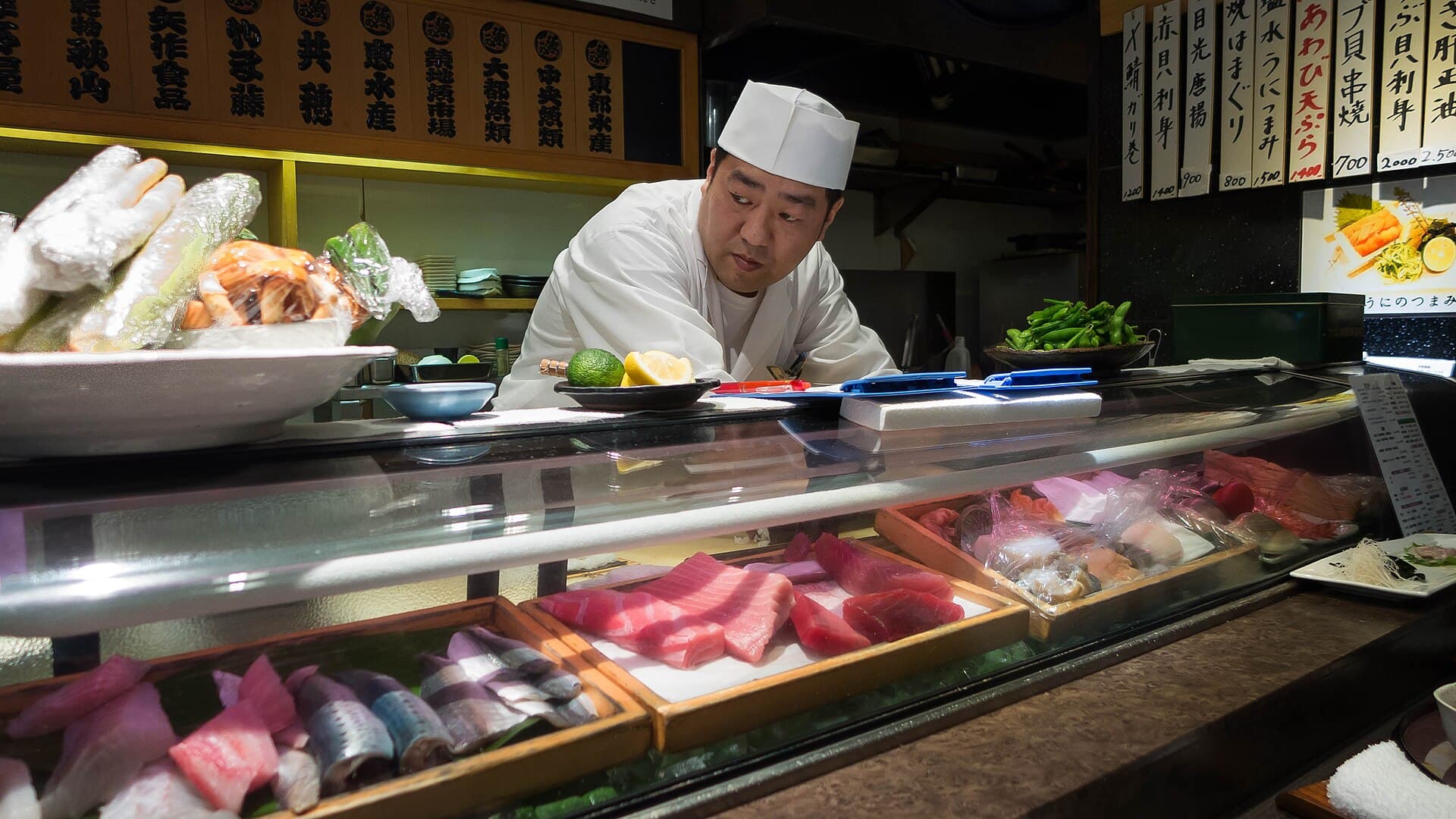
02
Chef's Selection
Ren describes the evening's fish in a few sentences. There is no menu to read. You only need to mention allergies.
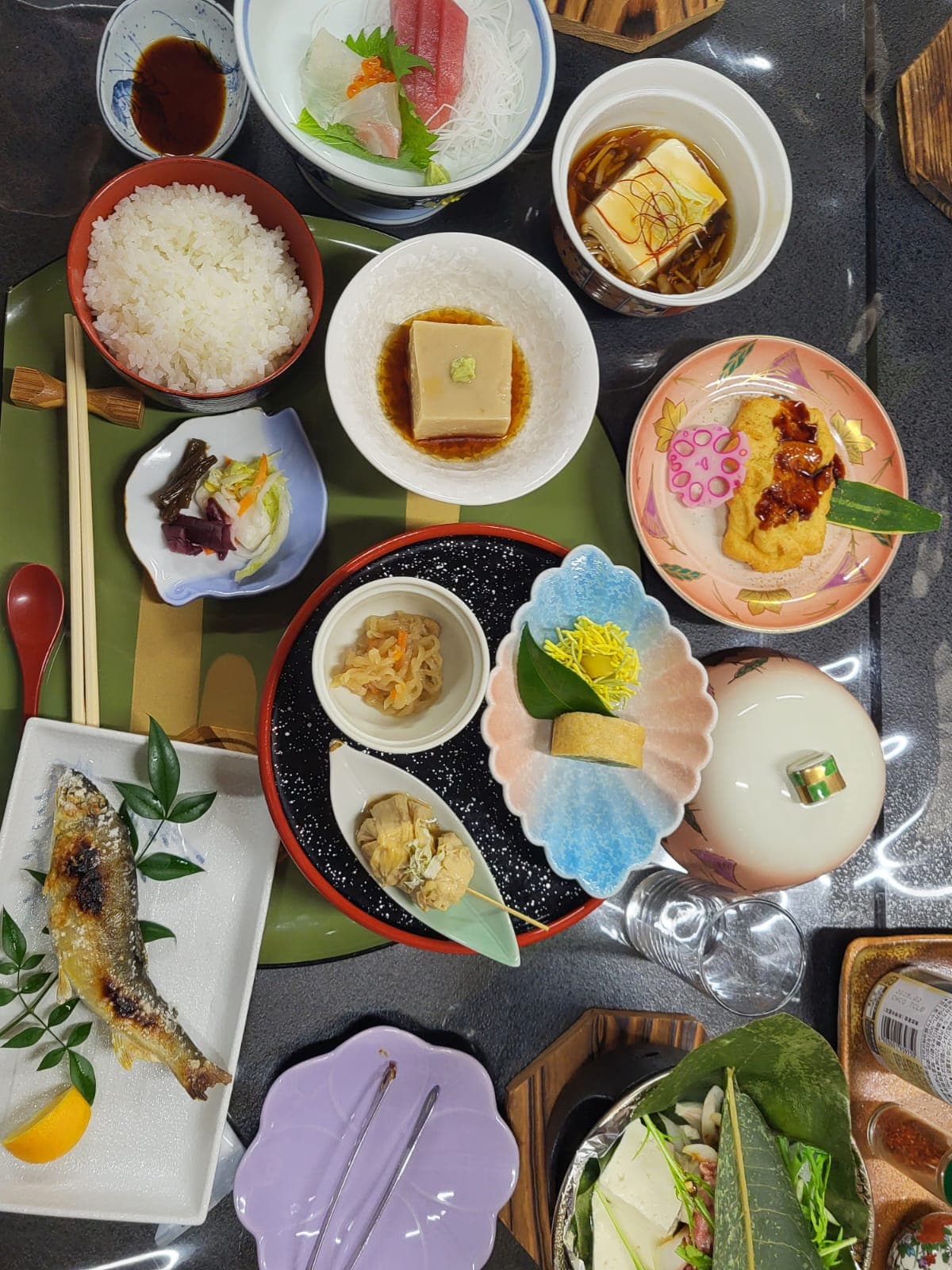
03
Seasonal Course
Sashimi, a warm dish, then nigiri one piece at a time, placed in front of you the moment it is ready.
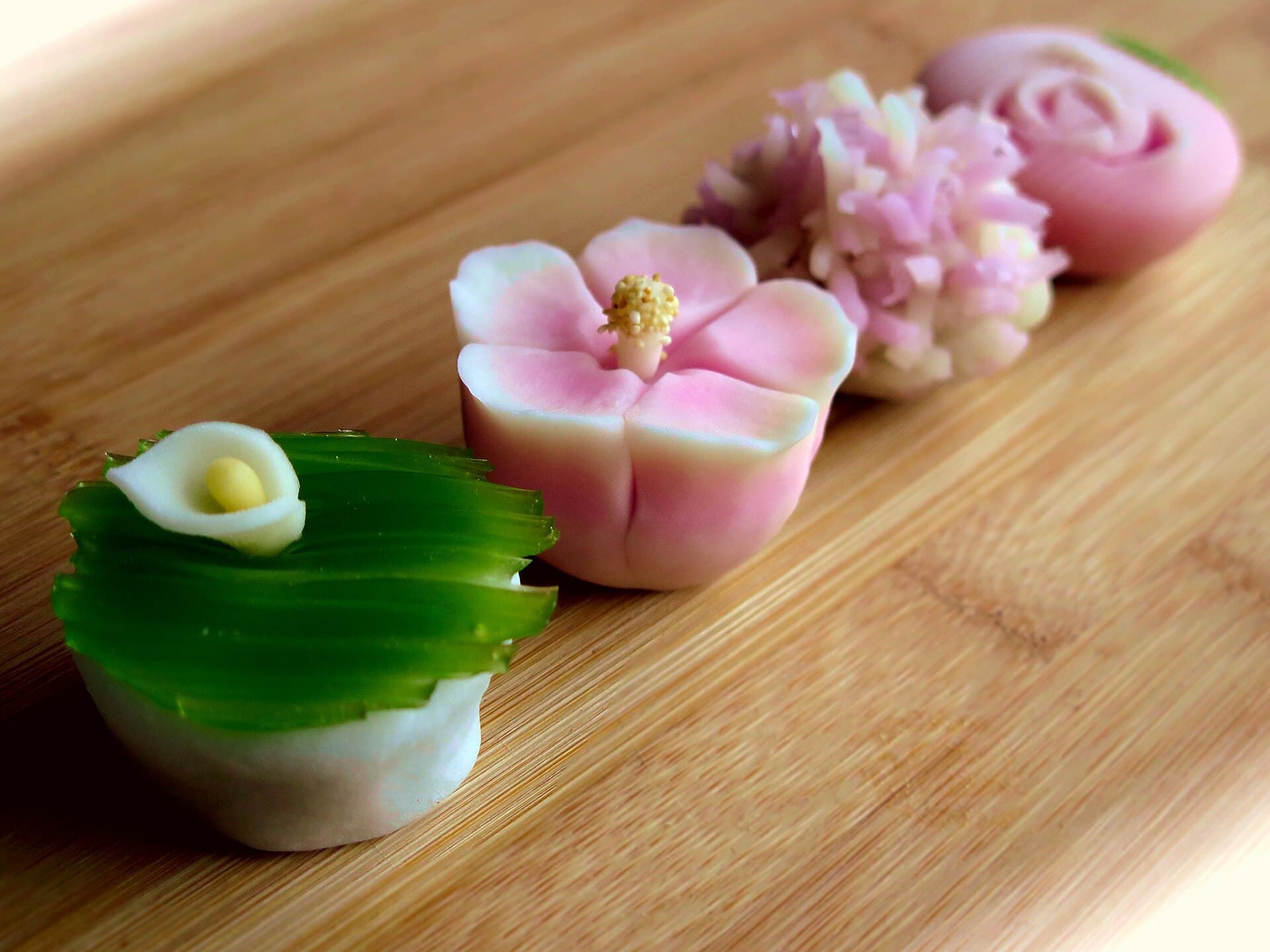
04
Dessert & Sake
The evening softens: tamago, something cold and citrus, and a last pour of sake or roasted tea.
Fewer seats, more attention.
KAI began with a simple arithmetic. A counter of eight can be watched by one chef, and served by one pair of hands, without anything reaching the plate late.
The character 回 is used in Japanese to count turns and rounds. We took it for the name because that is how the evening runs: one course, then the next, each given its full moment before it is gone.
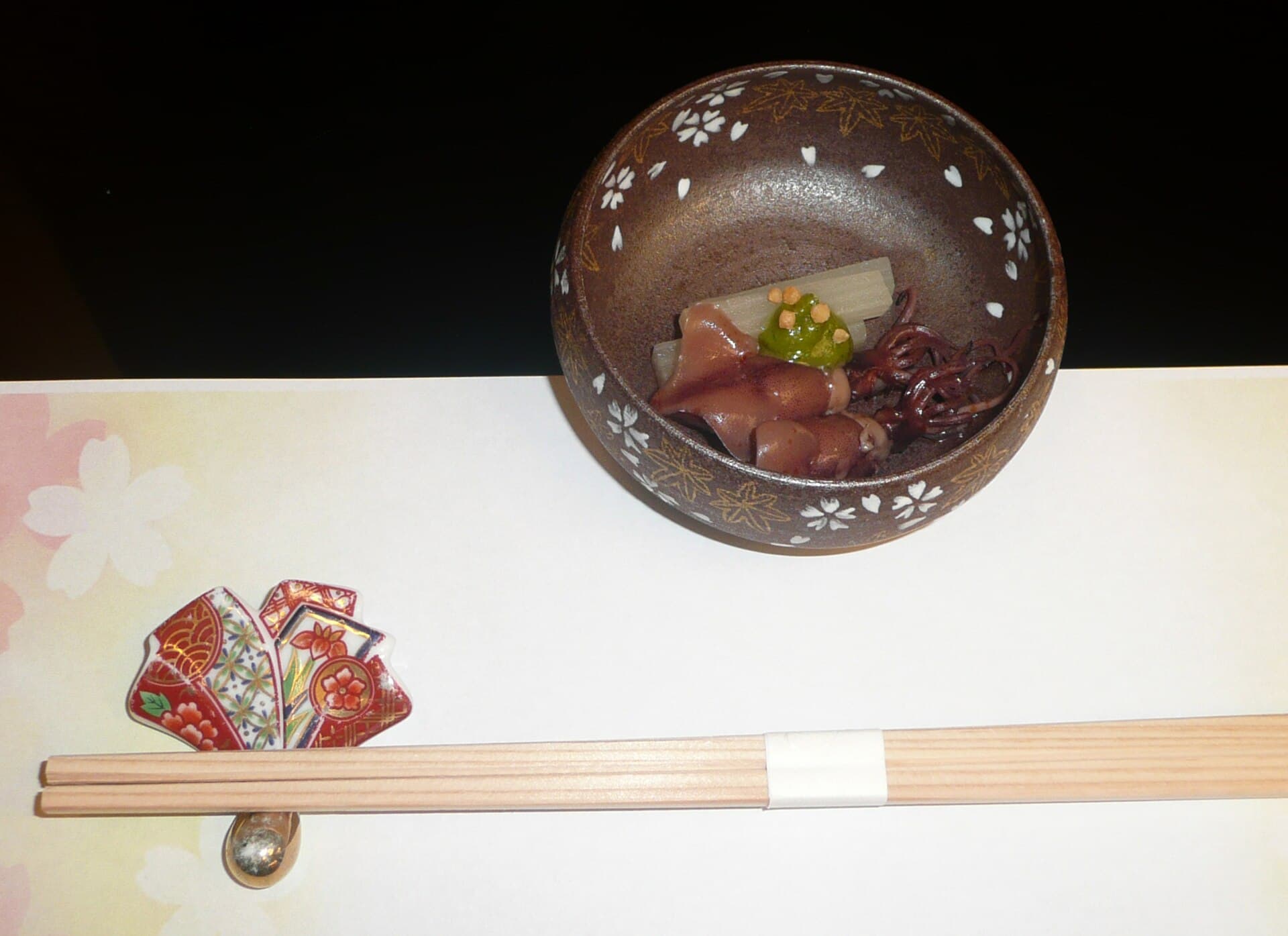
The room is quiet by design. Ceramics are chosen for the fish, the counter is planed hinoki that smells of cedar when you sit down, and the only music is the knife.
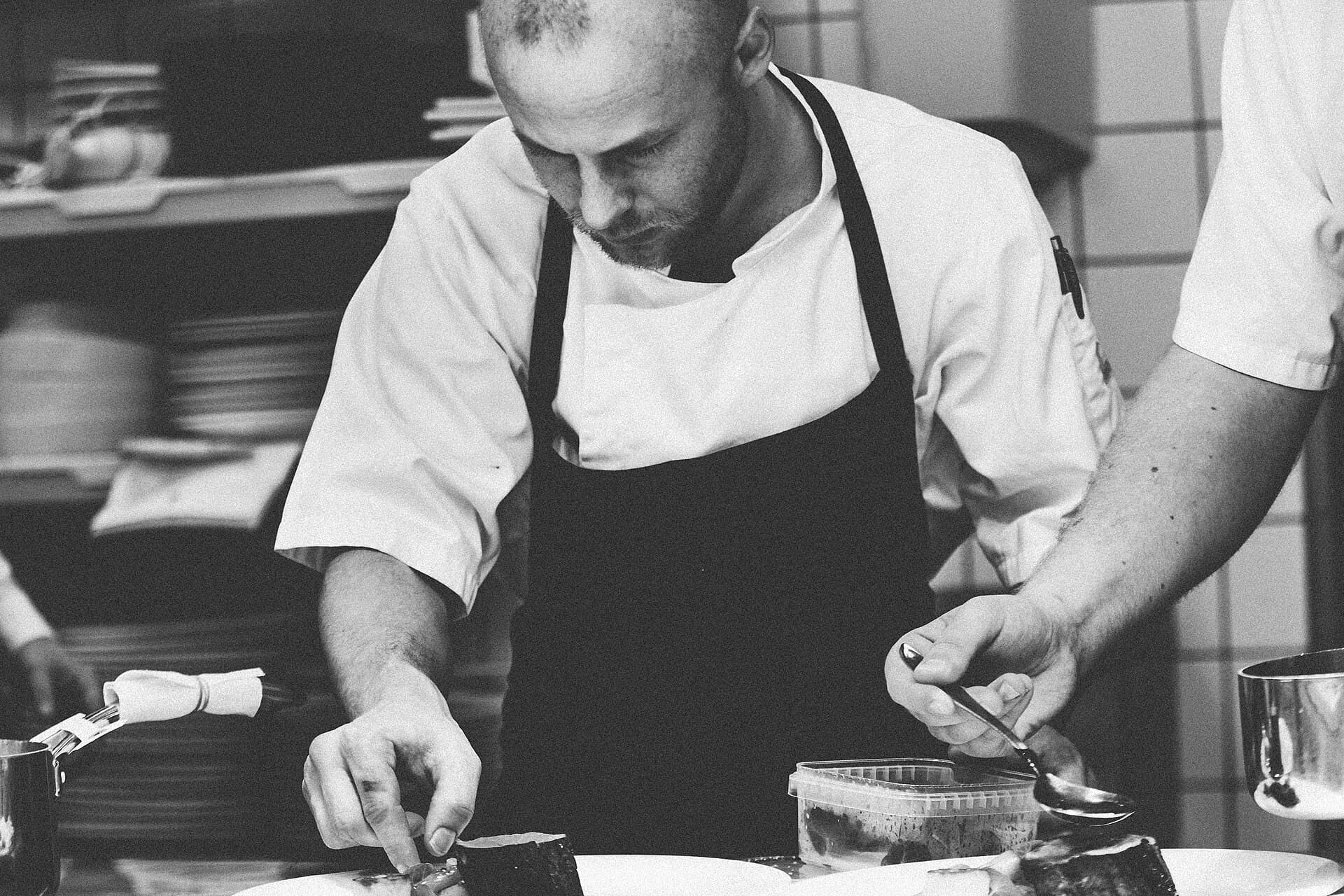
Head Chef and Owner
Chef Ren Takeda
Ren trained for eleven years across Tokyo and Kanazawa, first rinsing rice for two winters before he was allowed to hold a knife at the counter. He opened KAI to cook for fewer people, more carefully.
“The fish decides the evening. I listen to the market at dawn, then build the menu around what is at its best that day, and nothing else.”
- Trained
- Tokyo and Kanazawa
- Style
- Edomae, lightly seasonal
- Seats
- Eight, one seating
The room, for your evening.
After hours and on Mondays, KAI opens for private dinners of six to twenty-four guests. The menu is composed with you, the counter is yours.
Celebrations
Birthdays, anniversaries, and the dinners people remember for years.
Corporate dinners
A room that quiets a table of colleagues, with one seating and no agenda.
Intimate gatherings
Six to twelve guests around the counter, or the whole room to yourselves.
Your seat at the counter awaits.
Eight seats, one seating, Tuesday to Sunday. Send a request and we will confirm by email within a day.